

Maintaining The Silent Engine
Are Your Kidneys Okay?


AIM:
The article educates every individual on the importance of kidney health, laying an emphasis on early diagnosis using a relatable story. It also brings to limelight, the professional what works behind the scenes to ensure the kidneys function at an optimal level.
GIVEN:
Kidney, Medical laboratory scientist, kidney diseases, kidney function tests, water.
METHOD:
Expository, storytelling
PRINCIPLE:
The heart may carry the beats, but your bean-shaped organ carries the rhythm of life. Your kidneys are the silent engines your body can't function without.
The kidneys help filter your blood of wastes passed down as urine, balancing your body fluids and electrolytes. Without your kidneys, your toilet visits will be almost non-existent, and your overall health may come crashing down.
PROCEDURE:
In this article, we will explore why it is important to recognise the plagues that may affect your kidneys, detect them early, roles of a Medical Laboratory Scientist in kidney health and ways to help your kidney to improve your overall health.
Your Kidneys and You
While you may be a walking Encyclopedia of kidney knowledge, a little Kidney 101 does not hurt anyone, does it? Something to juggle the memory.
The kidneys are reddish-brown organs positioned below the rib cage, one on each side of the body: the right and left kidney. They measure 3 cm in thickness, 6 cm in width, and 12 cm in height, with the left kidney weighing more than the right kidney. This is because of its position relative to the liver.
Make a fist! That's the size of your kidney.
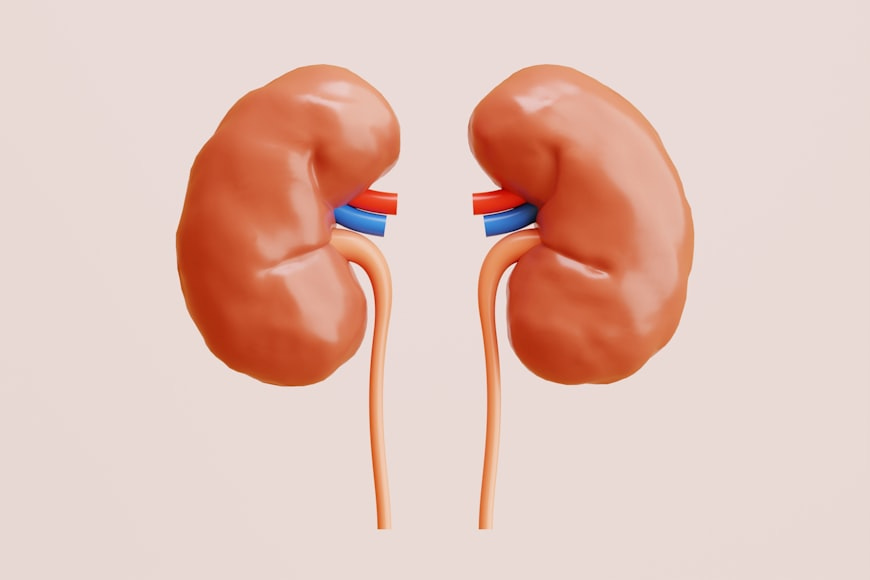
Photo by Rullif Andrean
The kidney comprises two main parts, the cortex and the medulla. However, the most important part of your kidneys are the nephrons. They are the functional unit of the kidney. Without them, your kidneys are as good as plagued beans- zero functionality!
The kidneys perform a wide range of functions by playing a key role in maintaining the internal environment of the body:
The kidneys act as funnels to filter gallons (urine) of harmful toxins like urea, creatinine, products of alcohol, and heavy metals to keep your blood clean from their build up.
The kidneys serve as the Quality Control Officer (QCO) of nutrients by reabsorbing and filtering essential minerals as needed by the body. This way, it balances the electrolytes essential in keeping hydration in check.
The kidneys act as gatekeepers, regulating blood pressure by controlling fluid levels, salt balance, and hormone levels.
On a lighter mode, if you are curious to know what part of the kidney fits your personality, MedLabConvo has designed a fun quiz to help you discover that. Head over to this link here to have fun in commemoration of World Kidney Day.
Away from that short digression now. What happens when your kidneys fail you? What are the indicators?
But first, Meet Olu…

Source: ChatGPT
Olu is your typical Gen-Z chap – he attends one of the best schools in Nigeria, is a tech bro, is always outdoors, “alcoholophilic” and hydrophobic. Olu was living the best life, devoid of the harsh realities of Nigeria. However, his silent engines were giving up slowly, unknown to him.
When the school calendar was coming to an end, Olu had a tough time preparing for his exams. One day, while at the café, he felt a slow but sharp pain in his stomach so much that his friends had to usher him to the hostel.
“Baba use this flagyl, it will be food poisoning, this cafe food wants to wound us,” Babatunde’s husky voice boomed as he handed Olu a relief to his pain.
School exams started well for Olu amidst recurring pains at different times but it didn't affect the exams, he counted it as normal until one Thursday evening, after CSC 302, when he felt a sharper, prolonged, twisting pain below in his abdomen. The pain tugged his abdominal region so much that he lost control of his surroundings, transitioning into unconsciousness.
On getting to the school hospital, he was resuscitated by the nurse, and investigations began. He did scans upon scans, tests upon tests, before the doctor, with the aid of laboratory results, diagnosed him with slowly progressing kidney stones.
He had fainted out of dehydration and was on drips before he was discharged. Olu was also placed on water therapy to help dissolve and flush out the stones disrupting his normal life.
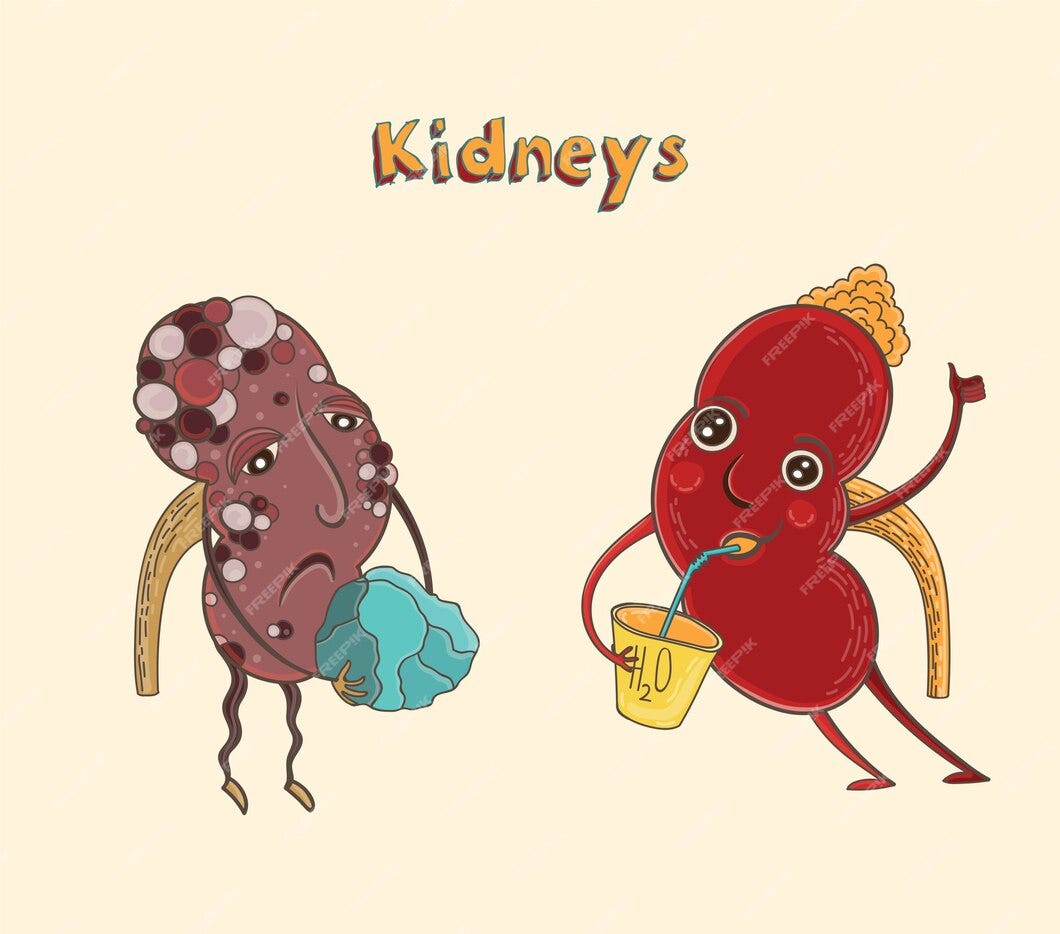
Source: Aborescent on freepik
Olu was lucky his silent engines had not gone completely mute before the rapid intervention. He also didn't take any more chances by self-diagnosing any further. He took to his X and Instagram account to trend the #DrinkWaterChallenge by MedLabConvo afterward, urging his mutuals to drink water, dispose of their alcohol bottles, and look after their kidneys.
We are all an Olu except in different forms.
Plagues of the Kidneys
These are diseases that affect the normal functioning of the kidney and the overall well-being of an individual. They range from progressive to chronic, inflammatory to autoimmune, obstructive to structural, and systemic, depending on the causes.
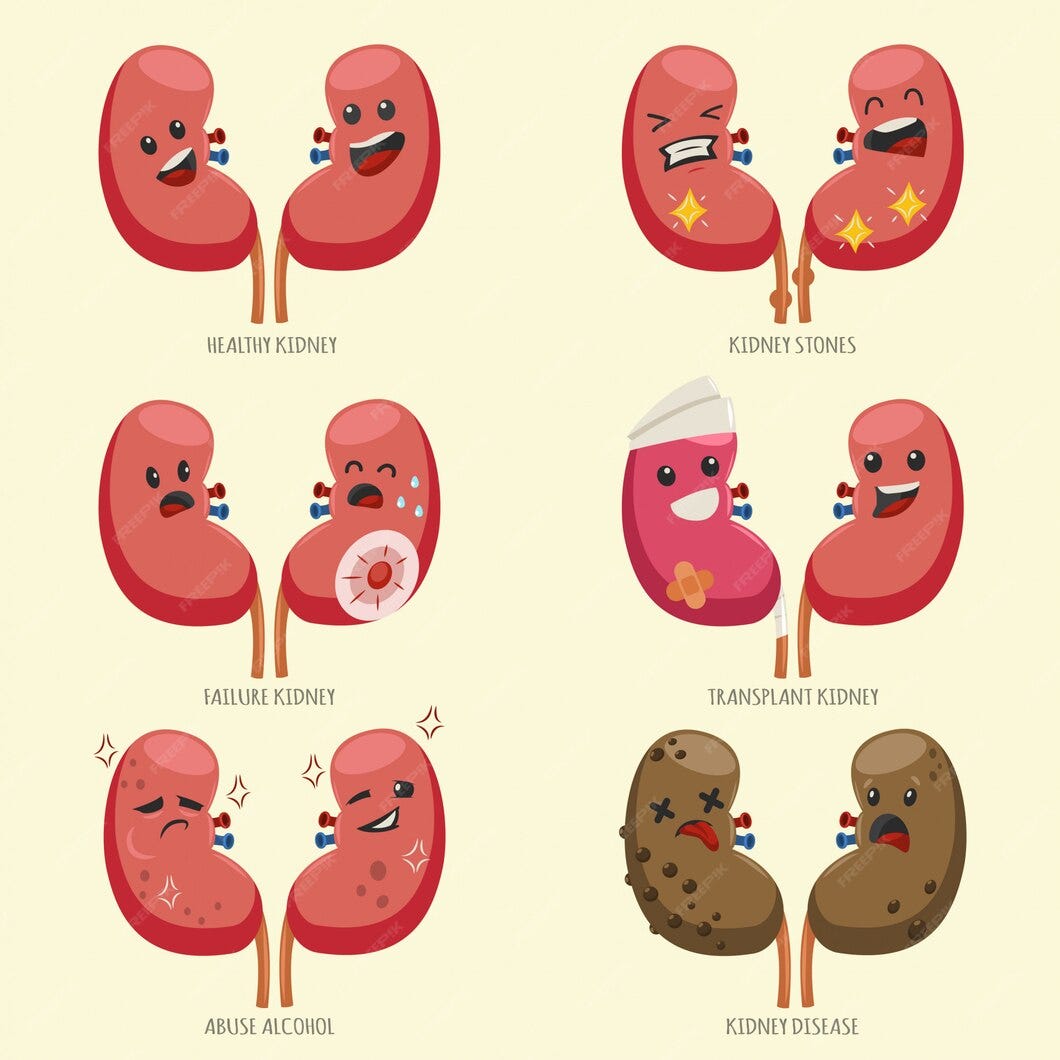
Source: Pinterest
Types and Causes of Kidney Diseases
Types of Kidney Diseases
Chronic kidney disease develops when the kidneys cannot filter toxins from the blood. As it progresses slowly, it causes more damage to the kidney.
Acute kidney failure is a rapid decline in the rate at which the kidneys perform its function. It occurs within hours and a few days.
Kidney stones are small, hard deposits found in the kidney due to the concentration of minerals. It is difficult for them to pass through the urinary tract, hence, they cause severe pain.
Hypertensive nephropathy is damage done to the kidney as a result of an increase in blood pressure.
Glomerulonephritis is the inflammation of the glomeruli of the kidney. This causes damage to the filtering units of the kidney, disrupting kidney function.
Causes of Kidney Diseases
Certain factors influence a shift in the normal function of the kidney. These include: Diabetes, hypertension, severe dehydration, shock, drug toxicity, smoking, excessive intake of alcohol, autoimmune diseases, and blockage of urine flow.
Certain factors put any individual at risk of kidney diseases. These include: Family history, genetics, cancers, viral or bacterial infections, obesity, and heart disease.
Roles of a Medical Laboratory Scientist in Kidney Health
Just like Olu, when an individual presents to the hospital with any of these symptoms — severe abdominal pain, excessive sweating, blood in urine, foamy urine, fatigue or swollen face and legs, the doctor is in to solve a jigsaw puzzle.
The key that brings the puzzle together is the medical laboratory scientist, the behind-the-scenes professional who grants answers to your questions and is the guide to your treatment plans.

Markers of Kidney Diseases
Generally, MLScts. play a vital role in kidney health by analysing the markers of kidney diseases.
Biomarkers are indicators that are measured to assess the normal functioning of the kidney or the severity of a kidney injury.
Some of the major indicators of kidney disease are stated below.
Creatinine: this is a product of the metabolism of the muscle. High levels of creatinine are indicative of the kidney's inability to filter body wastes. It is suggestive of chronic kidney disease or acute kidney injury.
Blood Urea: this is a product of protein breakdown. It is associated with high protein intake and dehydration. It is suggestive of chronic kidney or glomerulonephritis.
Electrolytes: electrolytes present in urine like sodium, potassium, and calcium help to regulate fluid balance and nerve and muscle function. An increase in either of them is suggestive of dehydration.
Roles of Medical Laboratory Scientists in Kidney Disease Diagnosis
Medical Laboratory Scientists, especially chemical pathologists, interpret results from the analysis of these biomarkers relative to each other using the standard ranges. This guides the doctor to the specific kidney disease for which the patient is to be treated. If the test results are not accurate, the next line of treatment cannot be determined.
Medical Laboratory Scientists work in tandem with doctors by monitoring the kidney function of a known (chronic kidney disease) patient by doing a routine analysis of the test markers. If the test results fall within the manageable ranges for a while, it can be a determinant that treatment (dialysis) is of great help to the patient. Medical laboratory scientists sing the songs of early detection to aid early diagnosis and better function of the kidneys.
5 Ways to Improve Your Kidney Health
Drink plenty of water: drinking at least 2 litres of water a day is very important for your kidney health. It helps you stay hydrated and balance your electrolyte and pH levels. It also makes it easier for the kidneys to filter blood and prevents the development of kidney stones.
Make good lifestyle choices: Your lifestyle choices help to maintain the integrity of your kidneys. Exercise regularly to increase blood flow to the kidneys, and avoid smoking, drinking alcohol, and herbal mixtures to reduce the risk of having an acute or chronic kidney disease.
Have a good dietary plan: Eat right and eat well. Avoid eating highly salted foods, include vegetables in your daily meals/diet, and eat the right amount of protein.
Monitor your blood sugar level and pressure: an increase in blood sugar or pressure forces the kidneys to filter blood more than usual and, if not monitored, can increase the chance of being diagnosed with acute kidney failure or chronic kidney disease
RECOMMENDATION:
Go to the hospital for routine kidney function tests if you have a family history of kidney diseases
Present early to the hospital if you notice anything unusual like abdominal pain, or foamy urine.
Avoid misusing drugs, especially NSAIDs like paracetamol.
Stop drinking alcohol, soda, herbal mixtures, and any drink that can cause dehydration
Buy a water bottle that motivates you to drink water every day.
COMMENTS:
Think of your kidneys as the fuel tank of your car; if you store bad fuel in it, when it flows to the engine, it knocks the engine and prevents the car from moving. Likewise your kidneys, if toxins that are meant to be filtered through urine get concentrated, it disrupts the normal kidney functions and leads to kidney damage. It is essential to keep your kidneys healthy to ensure optimal health and wellness.
Thank you very much. I really learnt a lot
A lovely read.
This enlightened me of the importance of taking good care of my kidneys.